I am not sure how I could have been an educator, and a student of pedagogy for all of these years and I have never encountered Herzberg's Two Factor Theory of Motivation. Until last night I had heard of Maslow's Hierarchy of Needs over and over again, but not once in all of the literature did someone let me know that this guy Herzberg had already figured out how to work with and motivate every student from the reluctant or negative slacker to the high performer that thinks he is too cool for school.
Here is what my SMO managing People prof. gave me last night: Two Factor Theory basically tells us that there are two factors
at work in the classroom that will motivate or demotivate
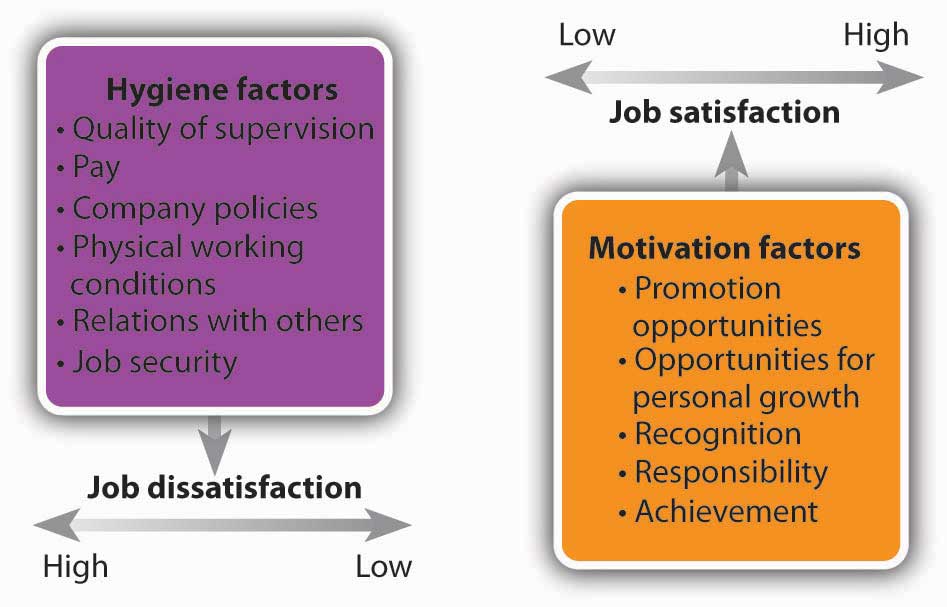
employees students. Motivating factors, when present, will have a motivating effect. When absent, motivating factors will have a neutral effect. Hygiene factors, when present, will have a neutral effect on motivation. When absent, however, hygiene factors will serve to demotivate. Here is the image that Dr. Inness provided while teaching us Two Factor Theory:
 |
| Think about the classroom as you read these factors. |
The classroom and the school needs to acknowledge that they are operating in a system that actively demotivates students. I think any educator will recognize that students are given the opportunity to achieve and reach for the intrinsic motivating factors like recognition and opportunities for personal growth, but do we ever acknowledge that our lack of hygiene factors are demotivating students. I will not even consider the idea that students can think of their grade as the "pay." This might work through grade three, and even for some students until grade eight, but once students enter the work force and realize the value of actual pay, any attempt and comparing the two will only be met with laughs and derision.
The question then becomes, if we acknowledge that not paying students automatically serves to demotivate so many of them than how can we make up for it?
.... and here I thought I had the answer.
I will develop this thought further, but right now I want to point out how much better and potentially more fruitful this idea is for school's than the often touted hierarchy of needs from Maslow. I have heard Maslow's hierarchy used an excuse for not being able to reach students and help them achieve far too often, especially in high risk schools. For example, the situation at home is so detrimental to the student that they cannot be expected to become self-actualizing. What Herzberg is teaching me right now is that the classroom can circumvent or transcend some of those lower in the pyramid needs and help motivate a student towards self-actualization anyway.
I think I am definitely on to something here. For now I am going to read a little more from Herzberg (
One More Time: How do you Motivate Employees) and then share these ideas with some colleagues and see what they have to say about things.
Please comment below I would love to hear from you.


No comments:
Post a Comment